
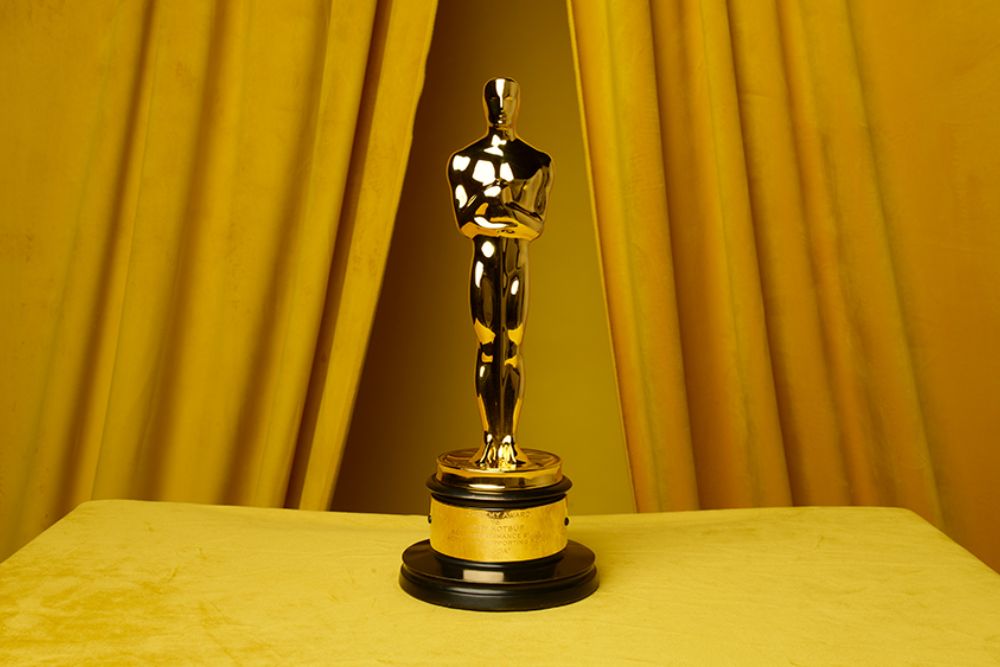

Los Angeles, CA — With just eight weeks left before Oscar nominations are announced, the race for the television rights to broadcast the Academy Awards is intensifying. Sources confirm that Netflix has exited the negotiations, while NBCUniversal has emerged as the leading contender — potentially ending ABC’s five-decade streak as the Oscars’ home.
The Academy of Motion Picture Arts and Sciences (AMPAS) has been seeking a new multi-year broadcast deal throughout 2025, aiming for a five- to ten-year contract that would secure a stable revenue stream and a prominent media partner. The deal is considered one of Hollywood’s most significant television negotiations, given the Oscars’ prestige and global influence.
Netflix Bows Out, NBCUniversal Takes the Lead
While Netflix was initially considered a major player in the bidding, insiders confirm that the streaming giant is no longer in the running. Despite exploring the opportunity mid-summer, Netflix reportedly stepped back due to cost concerns and the Academy’s desire for a broad, traditional TV reach.
By contrast, NBCUniversal is gaining ground as a top contender. The company’s recent success with the 2024 Summer Olympics and its record-breaking coverage of the Macy’s Thanksgiving Day Parade — which drew 34.3 million viewers — have strengthened its reputation as a powerhouse for live events.

NBCU’s connections to the film industry, through Universal Pictures and Entertainment Chair Donna Langley, give it a natural edge. Langley, known for her deep relationships with top filmmakers, oversees over 20 talent deals — more than any other studio, including Disney and Warner Bros.
One insider close to the talks told Variety that NBC’s hosting of the 2028 Los Angeles Olympic Games presents a unique synergy opportunity: “The Academy could benefit from an enormous marketing push leading into its first NBC broadcast in 2029.”
YouTube Still in the Game
YouTube remains an active bidder, and its data-driven dominance in video consumption makes it a tempting option. Nielsen ranks YouTube as the most-watched connected TV app in the U.S. for the past two years.
Executives note that clips from past Oscars — acceptance speeches, musical performances, and viral moments — often attract more views on YouTube than the live telecast itself. However, industry insiders caution that a YouTube-exclusive deal could prove risky.
“The Academy wants a premium if it moves entirely to digital,” one source said. “Filmmakers could see that as undermining the sanctity of cinema.” Others expressed concern about brand adjacency: “You can’t have the Oscars roll right into a kids’ video autoplay — that’s a tough look,” joked one studio executive.
ABC’s Historic Partnership Faces Uncertainty
ABC, the Oscars’ long-time broadcast partner since 1976, still has rights through 2028, marking 50 consecutive telecasts. Insiders say Disney executives are fighting to keep the awards, emphasizing their synergy across ABC, Hulu, and Disney+, and cross-promotion through theme parks and cruise lines.
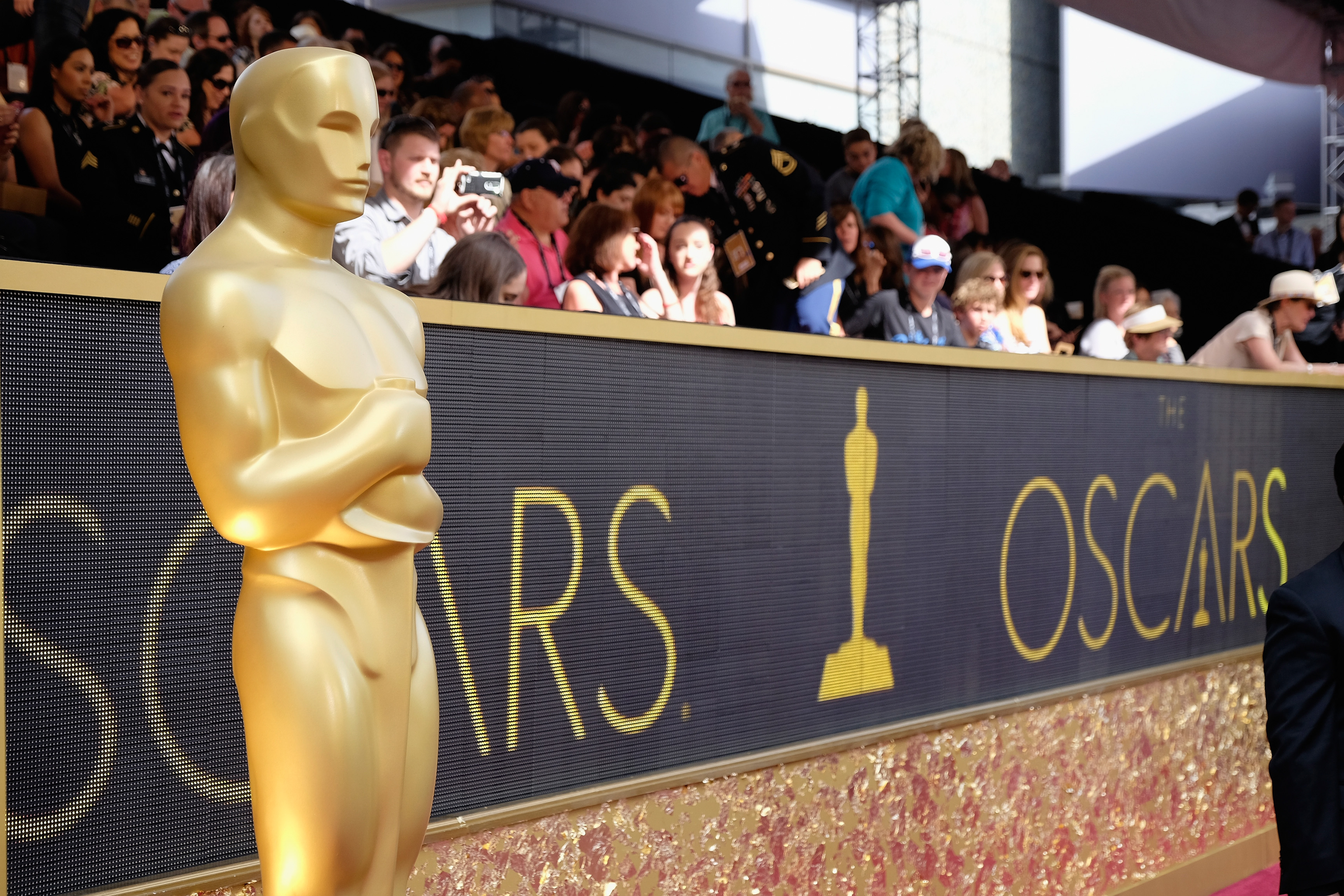
However, other sources suggest ABC has been less aggressive in negotiations, especially after recently inking a 10-year deal to air the Grammys across its platforms — a move that ended CBS’s historic partnership with the Recording Academy.
While ABC insists it remains “deeply committed” to the Oscars, competing networks view Disney’s multi-event focus as an opening.
Dollars — Not Gold — Drive the Decision
At the heart of the negotiations lies one simple question: who will pay the most?
Three separate sources estimate that ABC currently spends about $120 million annually to produce and broadcast the Oscars — a steep figure in a fragmented streaming era where live viewership is shrinking.
This year’s Conan O’Brien-hosted telecast hit a five-year ratings high, drawing 19.69 million viewers across ABC and Hulu, but still fell short of the nearly 40 million who tuned in a decade ago.
For all contenders — NBC, ABC, and YouTube — cost efficiency is paramount. “We’re not overpaying,” one executive close to the talks said bluntly.
What’s Next
Negotiations are expected to continue into early 2026, with an official decision likely before the 100th Oscars ceremony in 2028.
If NBCUniversal secures the deal, it would mark the network’s first Oscars broadcast in more than 50 years and signal a new era for Hollywood’s biggest night — one that may balance tradition with digital evolution.
For ongoing coverage of the Oscars, film industry trends, and media deals shaping Hollywood, stay tuned to InvestRecords.com for exclusive entertainment updates.

Comments are closed.